Temperature is the single most important variable in oyster quality after the moment of harvest. An oyster that is harvested in perfect condition and then mishandled during transport or storage will arrive at your kitchen in a compromised state — and no amount of careful shucking or presentation will recover what was lost in transit.
At 38° North, cold chain management is not an afterthought. It is built into every step of our operation, from the moment we pull cages from the water to the moment our product arrives at your door.
Temperature at Harvest
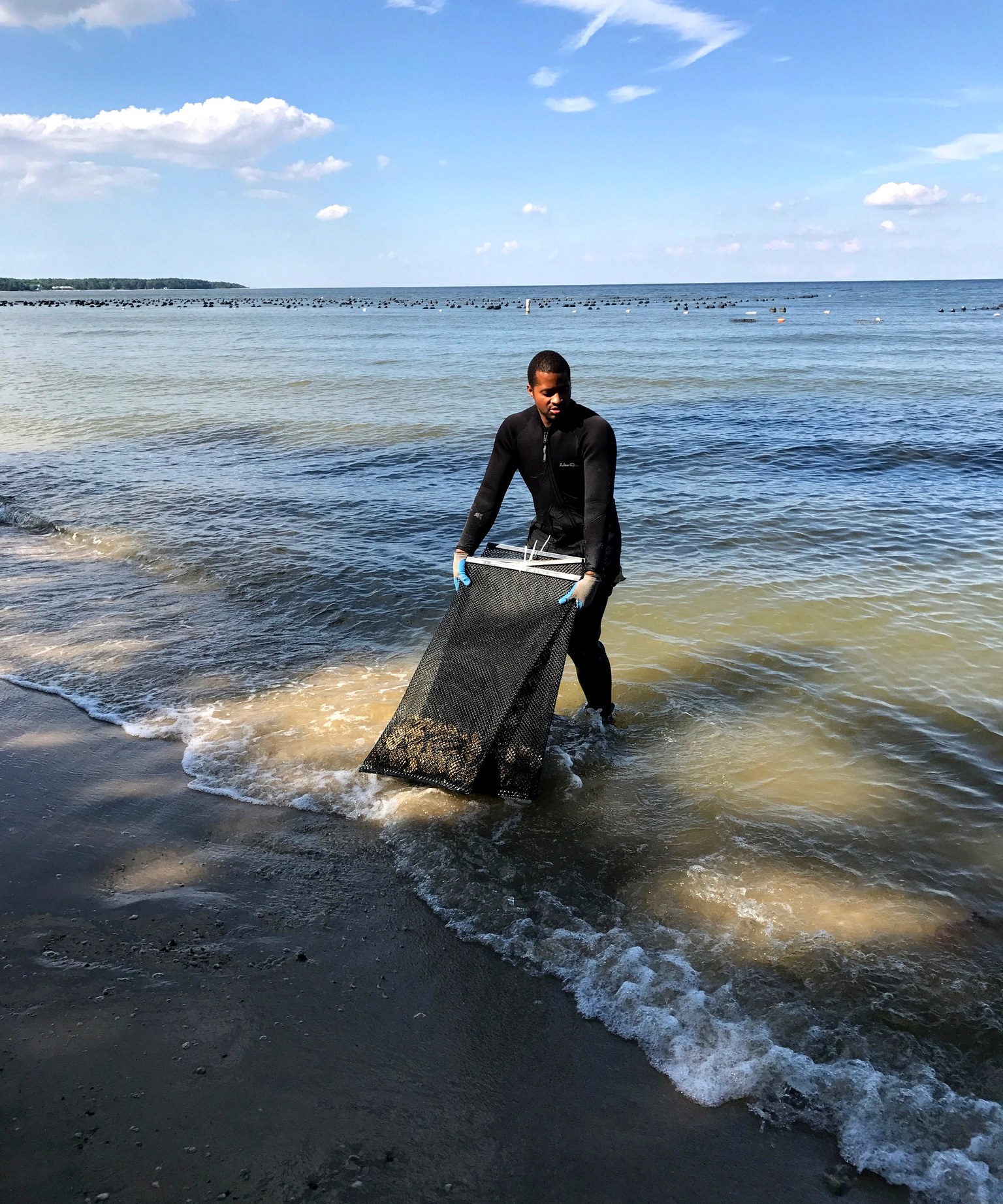
The first critical point in the cold chain is the transition from water to air. Oysters are ectothermic — their body temperature matches their environment. In the summer months, when Bay water temperatures can reach 75–80°F, pulling oysters from the water and leaving them in the sun even briefly can cause rapid quality degradation. We bring coolers to the water's edge during every harvest, and oysters go directly from the cage into refrigerated storage.
In cooler months, this transition is more forgiving — but the principle is the same. Minimize time at ambient temperature. Get the oysters cold as quickly as possible after harvest.
Grading and Packing
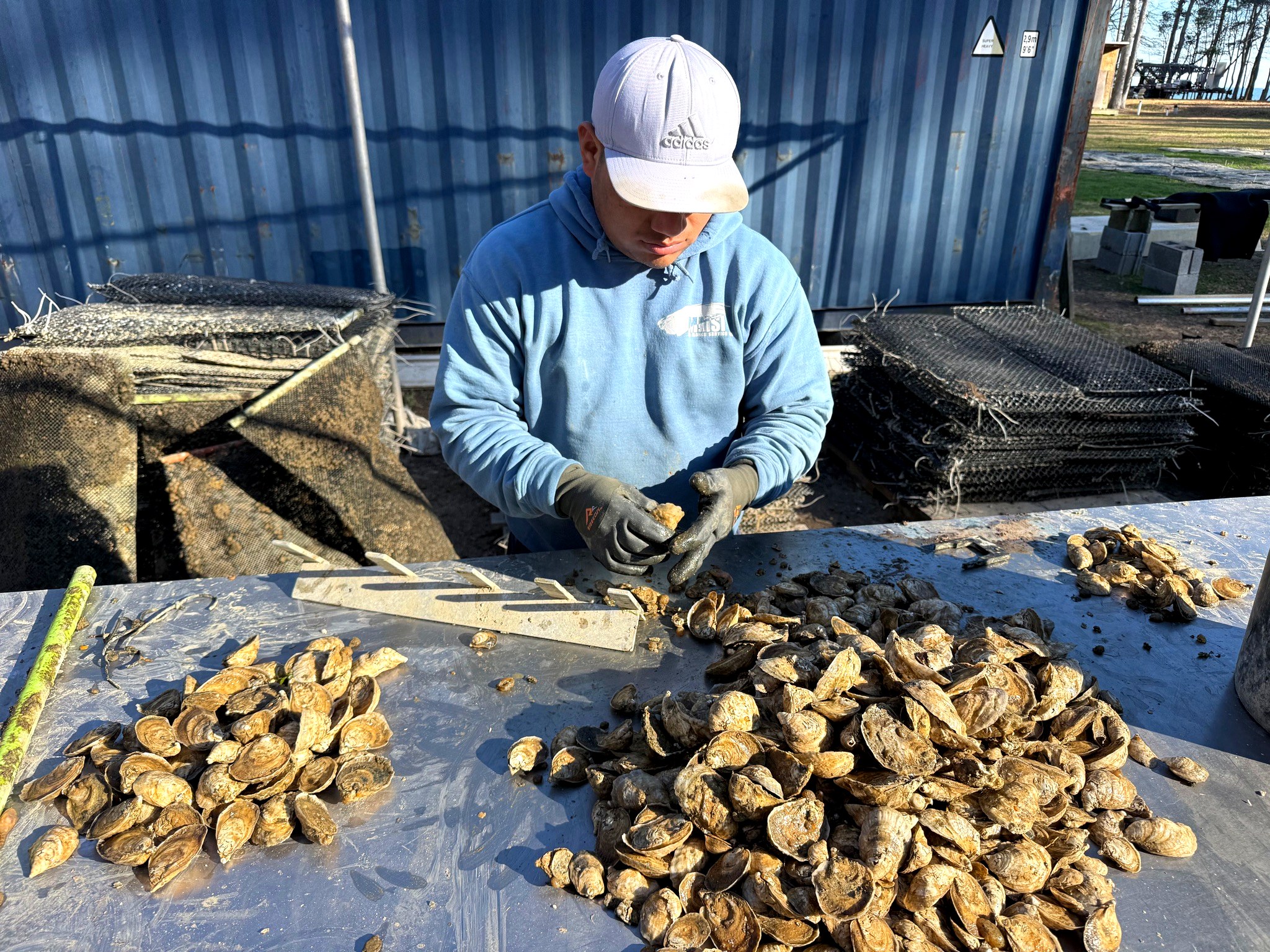
After harvest, oysters are graded by size, cleaned, and packed for shipment. We conduct all grading and packing in a temperature-controlled environment. Oysters are packed cup-side down (to retain their liquor), layered with damp burlap or seaweed, and placed in insulated shipping containers with appropriate ice packs for the transit time and destination.
The target holding temperature for live oysters is 34–38°F — cold enough to slow metabolism and preserve quality, but above freezing. Oysters that freeze and thaw will die and deteriorate rapidly. We calibrate our packing materials and ice quantities based on the expected transit time and ambient conditions at the time of shipment.
Receiving and Storage at Your End
The cold chain does not end when our product leaves our facility. How you receive and store oysters at your end is equally important. When a shipment arrives, check the temperature immediately — the internal temperature of the package should be between 34 and 45°F. Oysters should be alive (shells tightly closed, or closing when tapped). Any oyster with a gaping shell that does not close when handled should be discarded.
Store oysters cup-side down in a refrigerator at 34–38°F, covered with a damp cloth or burlap. Do not store in standing water or in an airtight container. Oysters need to breathe. Under proper storage conditions, our oysters will remain in excellent condition for 7–10 days from harvest — though we recommend consuming within 5 days for optimal flavor.
Why This Matters for Your Program
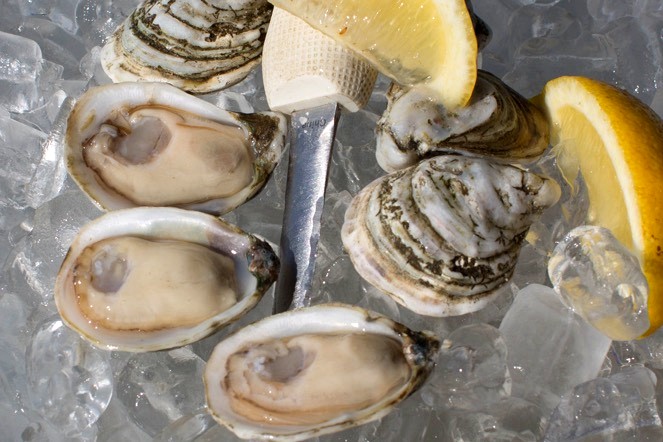
A well-managed cold chain is invisible to the end consumer. They simply experience a fresh, flavorful oyster. A poorly managed cold chain, on the other hand, produces an oyster that is flat, watery, or — in the worst case — unsafe to eat. For raw bar operators, the stakes are particularly high: a bad oyster served on the half shell is immediately apparent, and the reputational damage is significant.
We take cold chain management seriously because we take our product seriously. Every oyster that leaves our farm carries our name. We want it to arrive at your kitchen in the same condition it left the water — and we have built our operation to make that happen consistently.