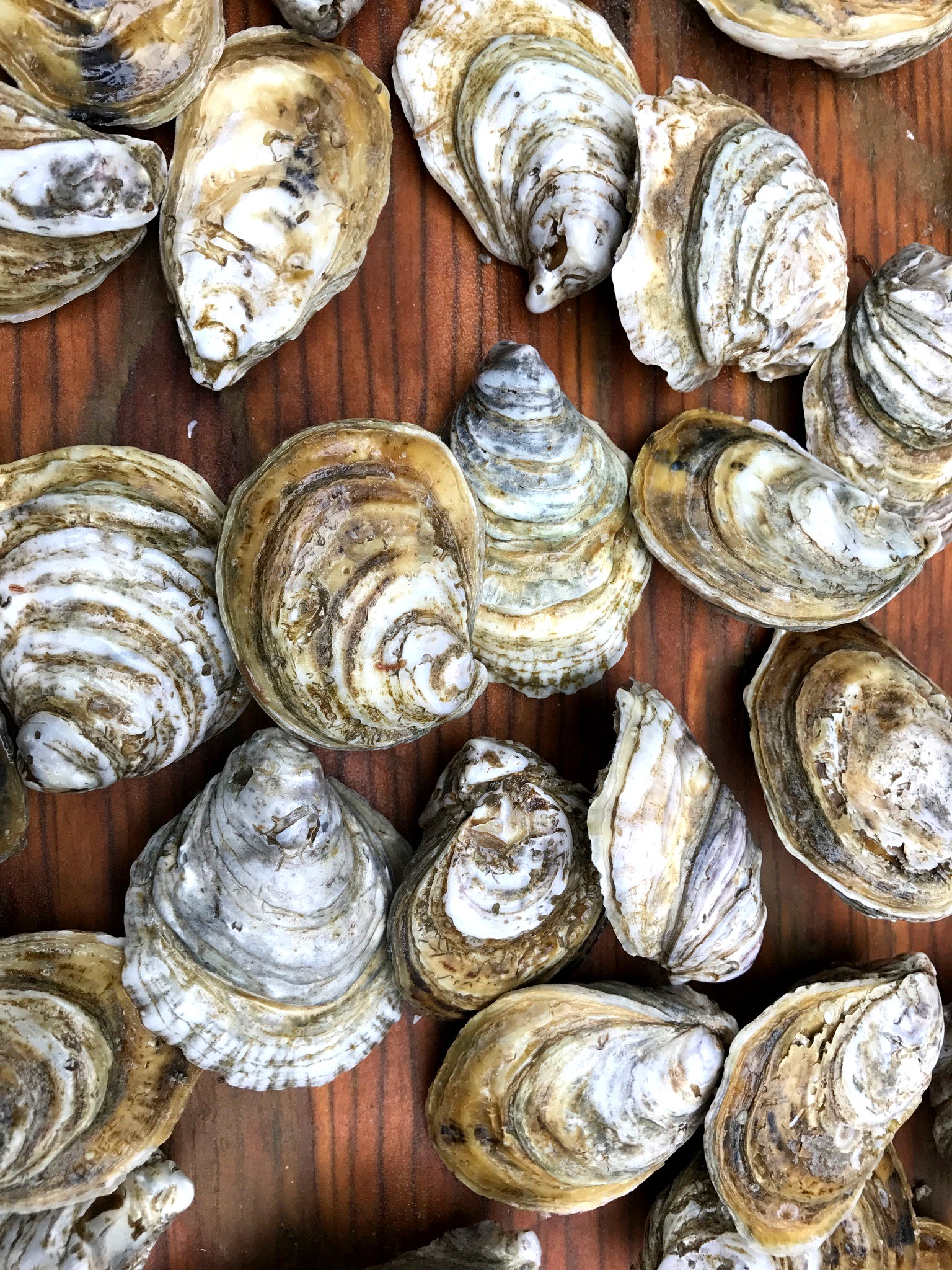
Not all oysters are created equal. While the Eastern oyster — Crassostrea virginica — is the same species grown from Maine to Texas, the environment in which it grows shapes everything: flavor, texture, shell character, and salinity. Nowhere is this more pronounced than in the Chesapeake Bay.
The Role of Terroir — or Rather, Merroir
Winemakers have long spoken of terroir — the idea that soil, climate, and geography impart a distinct character to a grape. Oyster farmers and chefs have adopted a parallel concept: merroir. The water an oyster grows in is its terroir. Temperature, salinity, mineral content, phytoplankton diversity, tidal flow — all of these leave their mark on the final product.
The Chesapeake Bay is the largest estuary in the United States, fed by 150 rivers and streams draining a watershed that stretches from New York to Virginia. This creates a uniquely dynamic water environment — one that shifts with the seasons, the tides, and the rainfall patterns of an entire mid-Atlantic region.
Scotland, Maryland: Where Two Waters Meet
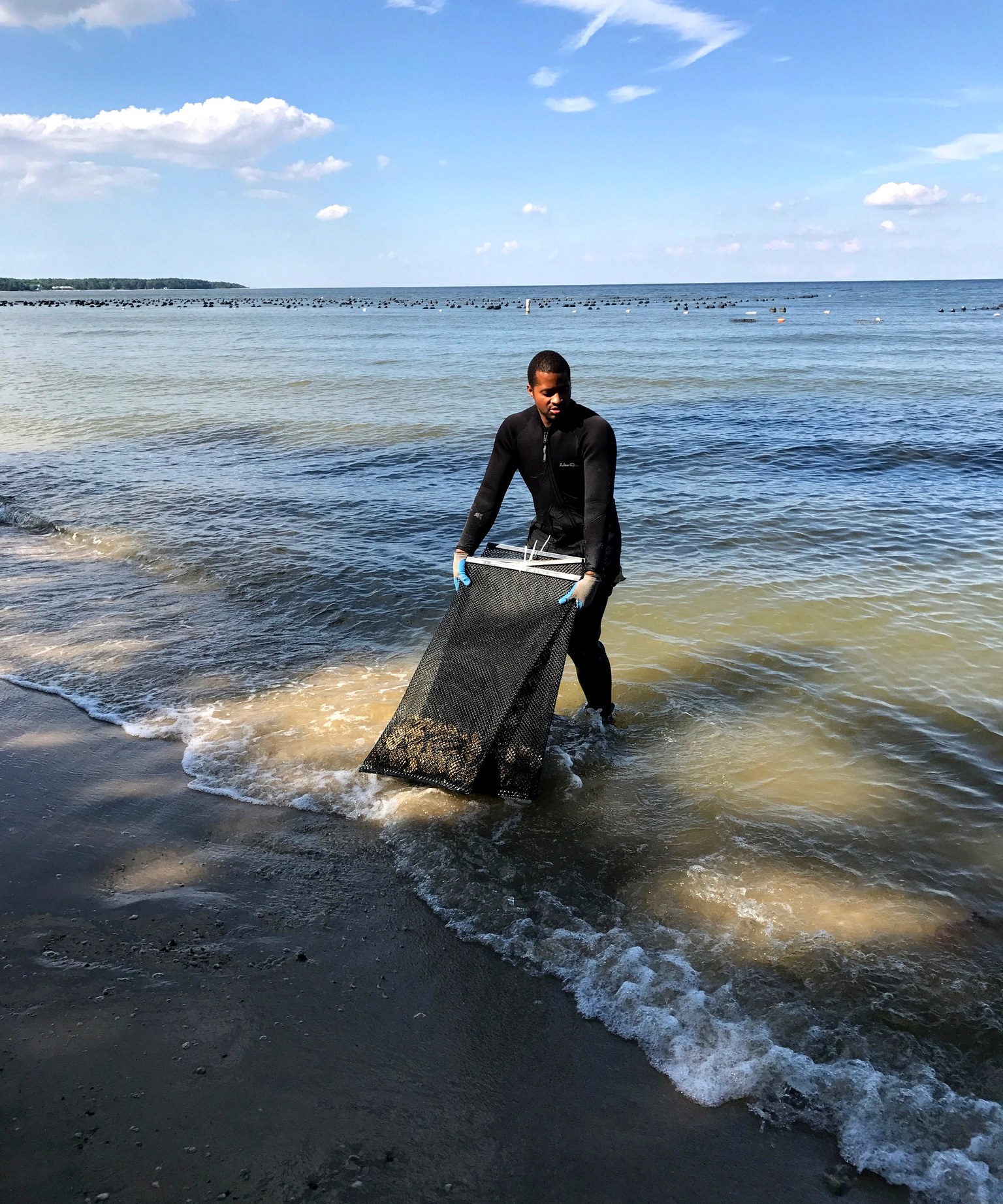
38° North Oysters farms at the confluence of the Chesapeake Bay and the Potomac River, near Scotland, Maryland. This location sits at approximately 38°11' North latitude — the geographic coordinate that gives our brand its name and its identity.
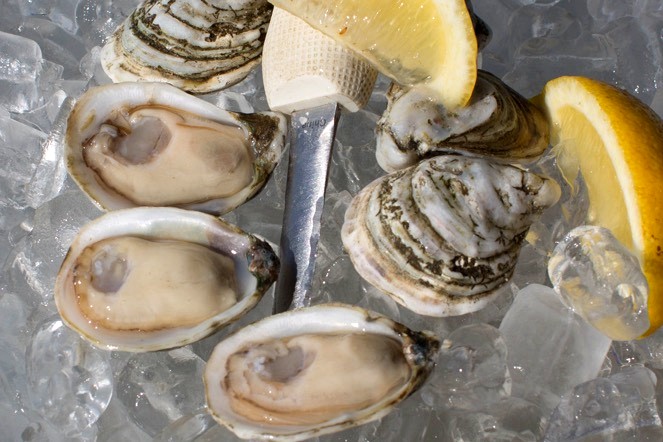
The meeting of the Bay and the Potomac creates a salinity gradient that is neither fully oceanic nor fully freshwater. The result is a moderate, balanced brininess — typically ranging between 10 and 18 parts per thousand depending on the season — that allows the oyster's natural sweetness to come forward without being overwhelmed by salt. This is what chefs and raw bar operators describe as a "clean" oyster: briny on the front, with a slightly sweet, mineral finish.
Seasonal Variation and What It Means for Flavor
Chesapeake Bay oysters are at their most flavorful in the cooler months — late fall through early spring. During this period, water temperatures drop, the oysters slow their metabolism, and they store glycogen (a natural sugar) in their tissue. This is what produces the sweet, creamy finish that distinguishes a well-grown winter oyster from a summer harvest.
In warmer months, oysters are still available and still excellent — but the flavor profile shifts slightly toward a leaner, more intensely briny character. For raw bar service, both profiles have their advocates. Many chefs prefer the winter oyster for half-shell presentations, while the summer oyster's firmer texture makes it ideal for grilling and cooked preparations.
Why Chesapeake Oysters Belong on Your Menu
The Chesapeake Bay has been producing oysters for centuries. Native American communities harvested them long before European settlement, and by the 19th century, the Bay's oyster industry was the largest in the world. That history is embedded in the ecology of the place — the water quality, the substrate, the tidal rhythms that have shaped oyster culture here for generations.
When you serve a 38° North oyster, you're serving a product with genuine provenance. A specific latitude. A specific confluence. A specific set of growing conditions that cannot be replicated anywhere else. For restaurants and raw bars that care about where their food comes from, that story is as important as the flavor — and with Chesapeake Bay oysters, the flavor is more than capable of standing on its own.