The Eastern oyster is one of the most versatile ingredients in American cuisine. Its flavor — clean, briny, with a mineral sweetness — pairs well with acid, fat, smoke, and heat. Whether you're running a raw bar program, building a composed dish, or looking for a crowd-pleasing appetizer, the Eastern oyster delivers. Here are five preparations that showcase what a well-grown Chesapeake Bay oyster can do.
1. Classic Half-Shell with Mignonette
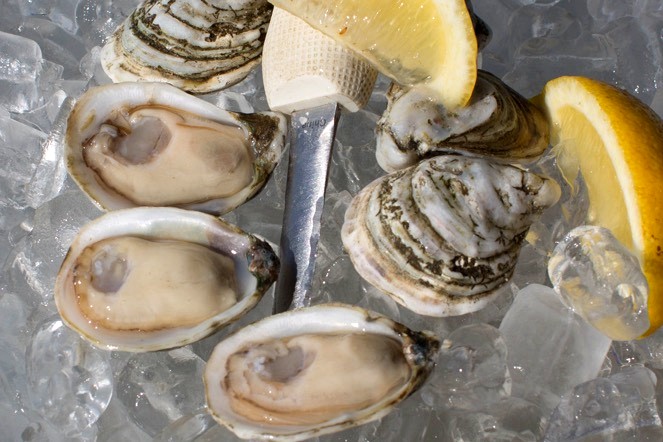
The simplest preparation is often the best. A properly shucked oyster on the half shell, served on crushed ice with a classic mignonette, lets the oyster speak for itself. For a 38° North oyster, the mignonette should be light — a small amount of minced shallot, cracked black pepper, and champagne vinegar. The acidity cuts through the brininess and amplifies the sweet finish without masking it.
Tip: Use our 3.5" Choice grade for half-shell service. The cup is generous, the meat is full, and the presentation is clean. Serve within 30 minutes of shucking for maximum flavor.
2. Wood-Fired Grilled Oysters
Grilling oysters over a wood fire is one of the great American barbecue traditions, particularly in the mid-Atlantic and Gulf Coast regions. Place oysters cup-side down directly on the grill grate over high heat. They will open in 3–5 minutes as the liquor steams inside the shell. Remove immediately, add a small knob of compound butter (try garlic, parsley, and lemon zest), and serve in the shell.
Tip: Use our 4"+ Premium grade for grilling. The larger shell holds heat well and the bigger meat can stand up to the smoke without being overwhelmed.
3. Oysters Rockefeller
Created at Antoine's in New Orleans in 1899, Oysters Rockefeller is one of the most enduring baked oyster preparations in American cuisine. The classic recipe involves a compound of spinach, herbs, breadcrumbs, and butter baked over the oyster on the half shell. Modern interpretations often substitute watercress, fennel, or other greens for the spinach, and some chefs add a touch of Pernod or other anise liqueur.
Tip: The key to a good Rockefeller is not overcooking the oyster. The meat should be just set — warm through but still plump and moist. Two to three minutes under a hot broiler is usually sufficient.
4. Oyster Po'boy
The fried oyster po'boy is a New Orleans institution, but it translates beautifully to any kitchen with access to quality oysters. Shuck, drain, and pat dry. Dredge in seasoned cornmeal (salt, pepper, cayenne, garlic powder), fry in 375°F oil until golden — about 2 minutes. Serve on a split French roll with shredded lettuce, sliced tomato, pickles, and remoulade.
Tip: Use our 3" Select grade for frying. The smaller size cooks evenly and fits perfectly in a sandwich without overwhelming the other ingredients.
5. Oyster Stew
Oyster stew is one of the oldest American preparations — a simple, warming dish that has been served on the Eastern Seaboard for centuries. At its most basic, it is oysters gently poached in a mixture of butter, cream, and their own liquor, seasoned with salt, white pepper, and a dash of Worcestershire. The key is restraint: the oysters should be barely cooked, just curled at the edges, and the broth should be rich but not heavy.
Tip: Use the freshest oysters you can source — the liquor from a recently harvested oyster is clean and sweet, and it forms the base of the stew's flavor. A 38° North oyster harvested to order will give you a liquor that is noticeably more complex than a product that has been in storage for a week.