In the seafood industry, the phrase "fresh" is used loosely. Oysters that have been sitting in a distributor's warehouse for four days can still be legally sold as fresh. They may still be alive. But they are not at their best — and if you're running a serious raw bar, your guests will notice the difference.
At 38° North, we operate on a harvest-to-order model. We do not harvest to inventory. We do not pull oysters from the water and hold them in tanks waiting for an order to come in. When you place an order, we harvest. That distinction matters more than most buyers realize.
What Harvest-to-Order Actually Means
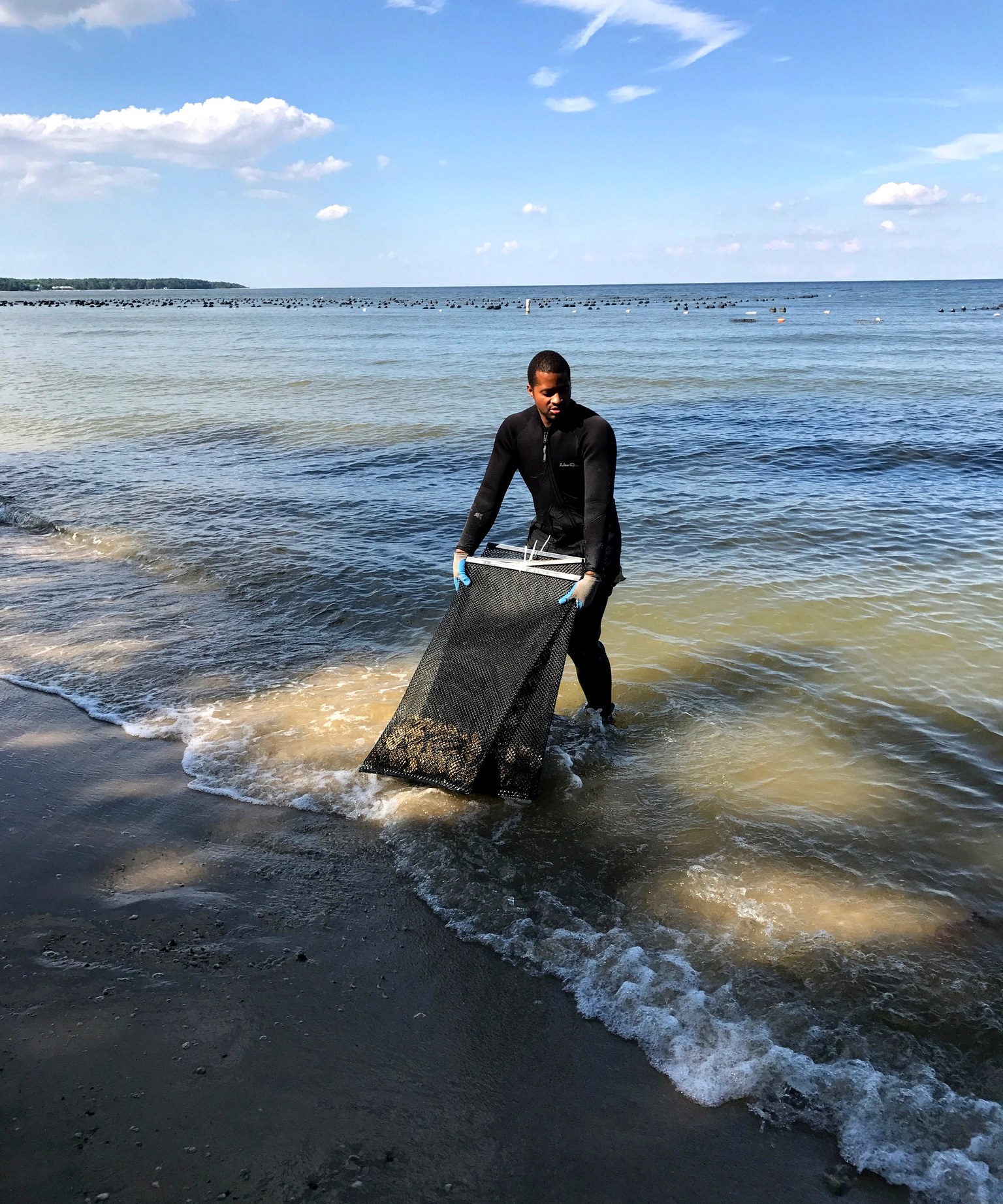
A harvest-to-order operation requires a different kind of planning than a conventional oyster farm. We maintain close communication with our restaurant and wholesale accounts, tracking their weekly volume needs and coordinating harvest schedules accordingly. When an order comes in, we pull the cages, grade the oysters, pack them, and ship — typically within 24 to 48 hours of the oysters leaving the water.
This is in contrast to the more common model, where farms harvest in bulk, hold product in upwelling tanks or refrigerated storage, and fulfill orders from existing inventory. That model is efficient. It allows for larger volume and faster fulfillment. But it introduces time between harvest and delivery — and with oysters, time is the enemy of quality.
The Science of Oyster Freshness
An oyster is a living animal. From the moment it leaves the water, it begins a slow process of metabolic decline. Glycogen — the stored sugar that gives a fresh oyster its characteristic sweetness — is consumed as the oyster burns energy to stay alive out of water. The longer the time between harvest and consumption, the more glycogen is depleted, and the less sweet and complex the flavor becomes.
Proper cold chain management can slow this process significantly. Oysters stored at the correct temperature (34–38°F) in a humid environment can remain alive and in good condition for up to two weeks. But "alive" and "at peak quality" are not the same thing. The flavor window — the period during which an oyster is at its absolute best — is much shorter. We aim to get our oysters to your kitchen within that window, not just within the legal shelf life.
What This Means for Your Kitchen
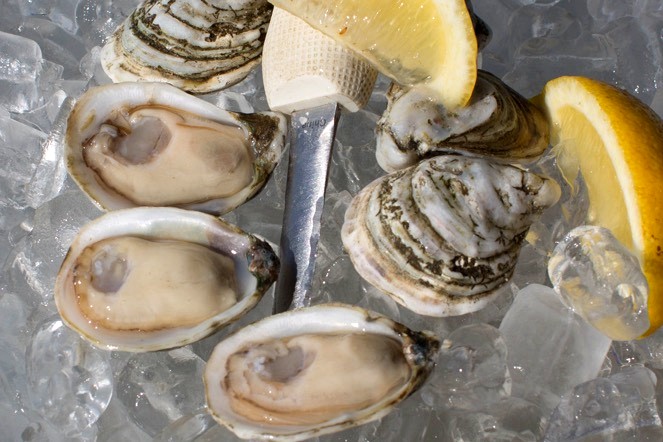
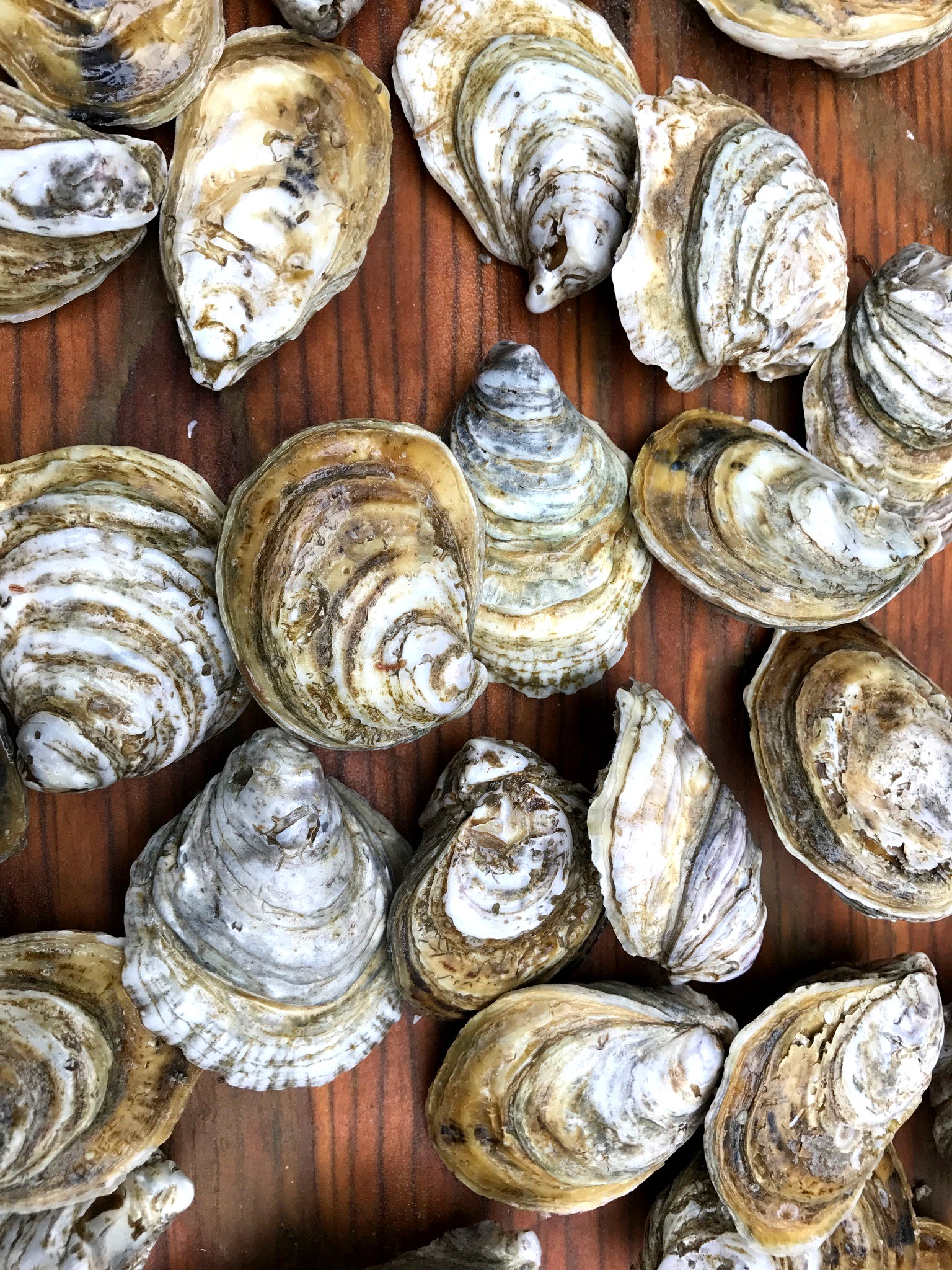
When you receive a shipment of 38° North oysters, you are receiving product that was in the water within the last 48 hours. The shells are tightly closed. The liquor is clear and abundant. The flavor is at its peak — clean, briny, with that slightly sweet Chesapeake finish that your guests will remember.
For raw bar operators, this translates directly to a better product on the half shell. For chefs using oysters in cooked preparations, it means more consistent texture and flavor. And for buyers who care about provenance and quality, it means you can tell your guests exactly where these oysters came from and exactly when they were harvested — because we can tell you.
Freshness is not a marketing claim for us. It is the operational model we have built our farm around. If you are sourcing oysters for a kitchen that takes quality seriously, we would like to talk.